

RV Insurance in McHenry, IL & Northern Illinois

Your weekends shouldn't be at the mercy of one bad claim.

From travel trailers to Class A motorhomes, we compare RV-specialty carriers to find coverage tuned to how you camp, where you travel, and how long you spend on the road.

Free No Obligation Quote

Talk to a local agent who'll shop multiple carriers for you.

100+ 5-Star Google Reviews

Z

Multiple A-Rated Carriers

Local McHenry Office

Why Choose Ryan P. Conway Agency

RV coverage shouldn't be an afterthought on your auto policy.

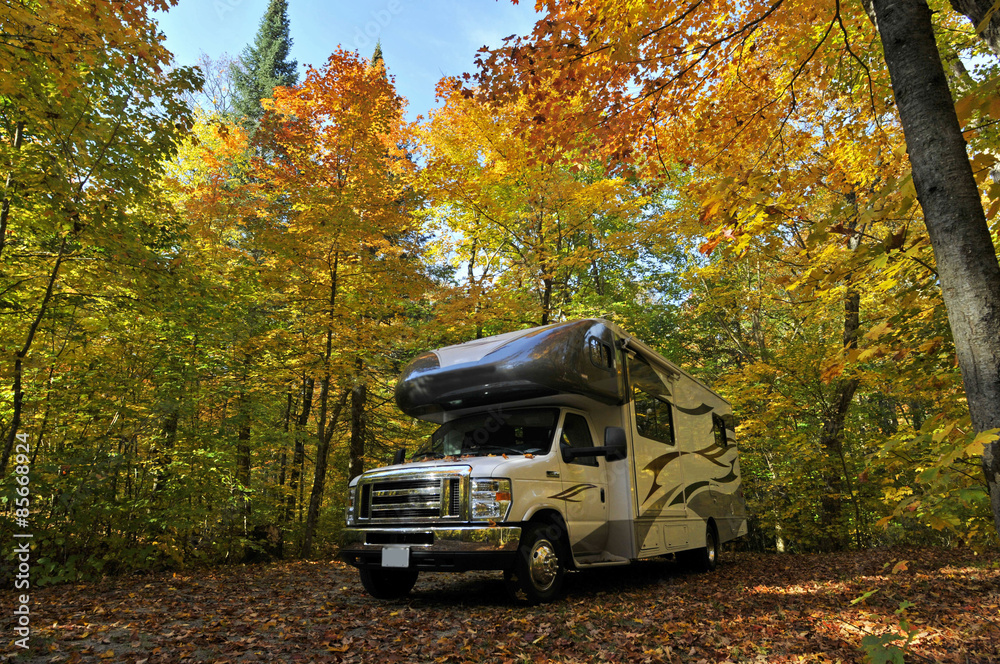
A lot of RV owners get talked into adding a "rider" onto their auto policy and assume they're covered. They're usually not — at least not adequately. Motorhomes, fifth wheels, and travel trailers face risks auto policies aren't built for, from full-replacement value on newer rigs to vacation liability for the campsite itself. We work with RV-specialty carriers that build coverage around how RVs actually get used.
Coverage Options

Types of RVs We Insure

RV insurance isn't one-size-fits-all — a 40-foot diesel pusher needs different coverage than a tow-behind pop-up. We write the full range.

Class A Motorhomes

The largest motorhomes, built on bus or commercial chassis. Coverage tuned to their value, weight, and full-time use potential.

Class B Camper Vans

Compact van-based RVs. Easier to drive, but still need proper RV-specific coverage beyond auto.

Class C Motorhomes

The classic cab-over motorhome on a truck or van chassis. The most common motorhome on Northern Illinois roads.

Travel Trailers

Pull-behind trailers from small teardrops to large bunkhouse models. Need their own policy — auto won't cover them adequately.

Fifth-Wheel Trailers

Larger trailers towed with a pickup hitch. Often higher-value units that benefit from specialty coverage.

Pop-Up Campers

Folding/expandable campers. Affordable to insure, but coverage gaps in standard policies are common.

Toy Haulers

RVs with garage space for motorcycles, ATVs, or side-by-sides. Coverage needs to address the contents, not just the rig.

Truck Campers

Slide-in campers that mount on a pickup. Often overlooked — make sure the camper itself is covered, not just the truck.

Have questions about the right coverage? Contact Us

What Auto Policies Don't Cover

0%

Of your RV's contents covered under most auto policies

$0

Coverage for awnings, slide-outs, and attached equipment under standard auto

Limited

Liability while parked at a campsite — often excluded entirely

RV-specialty policies address all three with coverages built specifically for how RVs are actually used. Coverage gaps described follow Insurance Information Institute RV coverage guidance.

RV Insurance vs. Auto Insurance

An RV is a vehicle and a vacation home rolled into one. The policy should reflect that.

Standard auto insurance treats your RV like any other vehicle — which works for the engine and chassis, but misses everything that makes an RV an RV. The cabinets, appliances, slide-outs, awnings, personal belongings inside, and your liability while parked at a campsite all need their own coverage. RV-specialty policies handle all of it.

Use Cases

How you use your RV changes what you need

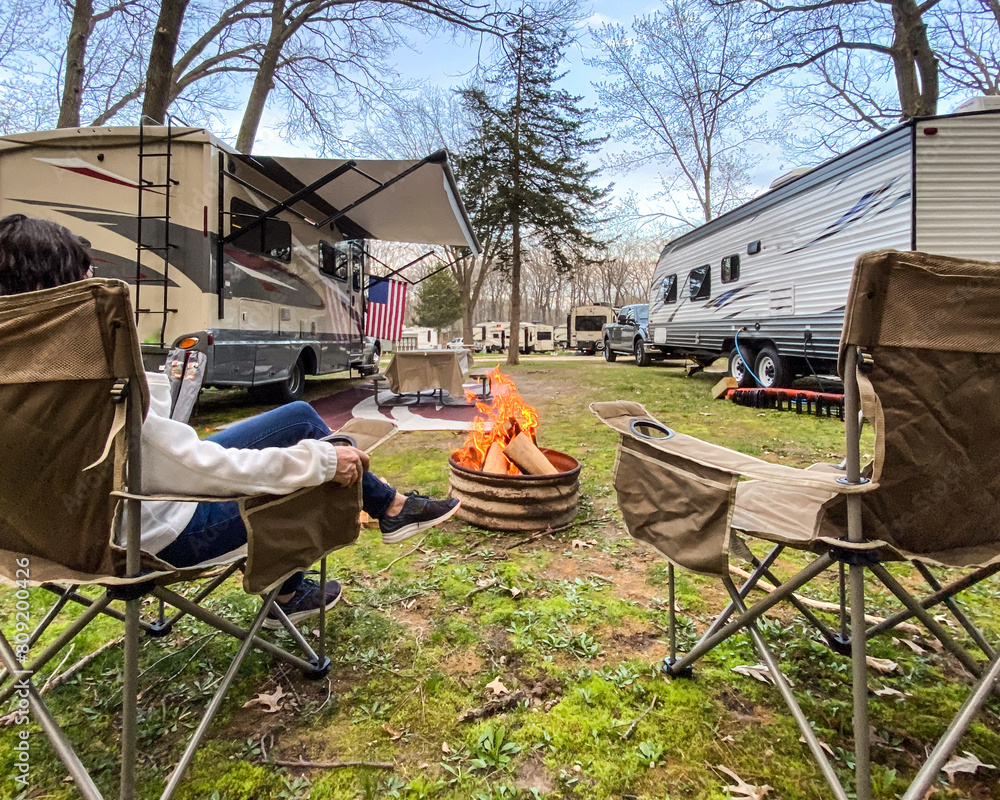
A retired couple living in a Class A nine months a year needs very different coverage than a family of four who weekends at Chain O' Lakes State Park. Here are the four most common use patterns we write for.

Weekenders

Most Northern Illinois RV owners camp seasonally. Standard recreational-use policies fit, and lay-up coverage can lower off-season costs.

Long-Distance Travelers

If you take multi-week trips through several states, you need broader trip-interruption and emergency expense coverage than a basic policy includes.

Full-Timers

If you live in your RV more than 5–6 months a year, you need full-timers coverage — essentially a hybrid of RV and homeowners insurance.

Family Toy Haulers

If you tow ATVs, motorcycles, or side-by-sides in your RV, the toys need their own coverage — and the cargo area needs proper protection.
Local Services

RV Insurance Throughout Northern Illinois & Beyond

Ryan P. Conway Agency is based in McHenry, Illinois, and we write RV insurance for owners throughout Northern Illinois and Southern Wisconsin — including coverage that travels with you anywhere in the country. We concentrate in McHenry County, Lake County, and the communities along the Wisconsin border. The cities below are just a sample.

  • McHenry
  • Crystal Lake
  • Woodstock
  • Algonquin
  • Lake in the Hills
  • Cary
  • Huntley
  • Marengo
  • Fox Lake
  • Antioch
  • Wauconda
  • Grayslake
  • Lindenhurst
  • Lake Geneva
  • Genoa City
  • Twin Lakes
  • Walworth
  • Williams Bay
Z

McHenry

Z

Crystal Lake

Z

Woodstock

Z

Algonquin

Z

Lake in the Hills

Z

Cary

Z

Huntley

Z

Marengo

Z

Fox Lake

Z

Antioch

Z

Wauconda

Z

Grayslake

Z

Lindenhurst

Z

Lake Geneva

Z

Genoa City

Z

Twin Lakes

Z

Walworth

Z

Williams Bay

Common Questions

RV Insurance FAQ

Is RV insurance required in Illinois?

For motorized RVs (Class A, B, and C motorhomes), yes — they're vehicles and require the same minimum liability as any other registered vehicle on Illinois roads: 25/50/20 plus uninsured motorist coverage. Towable RVs (travel trailers, fifth wheels, pop-ups) are not legally required to have their own insurance because they're not self-propelled, but most owners — and all lenders — strongly recommend it.

Doesn't my auto policy cover my travel trailer?

Only partially. Your auto policy's liability coverage typically extends to a trailer you're towing — so if you cause an accident, the liability for damages to others is covered. But your auto policy does not cover damage to the trailer itself, the contents inside it, or your liability while the trailer is parked at a campsite. A dedicated travel trailer policy handles all of that.

What's the difference between Actual Cash Value and Total Loss Replacement?

With Actual Cash Value, if your RV is totaled, the insurer pays current market value — which factors in years of depreciation. With Total Loss Replacement (available on newer RVs from specialty carriers), the insurer replaces your RV with a comparable brand-new model if it's totaled in the first few model years. Replacement coverage costs more but pays significantly better on a total loss of a newer rig.

What is "vacation liability" and do I need it?

Vacation liability covers you while you're parked at a campsite and using your RV as a temporary residence — slip-and-fall accidents at your campsite, guests injured at your awning, that sort of thing. Standard auto liability covers driving; vacation liability covers camping. Most RV-specialty policies include it; auto endorsements typically don't.

What if I live in my RV part of the year?

You need full-timers coverage. Most standard RV policies assume the RV is a recreational vehicle, not a residence — and they have exclusions that kick in if you live in the rig beyond a few months a year. Full-timers coverage adds homeowners-style protections including liability away from the RV, personal property coverage, and other features typical of a primary residence policy.

Should I drop coverage during winter storage?

Usually not. Dropping coverage entirely leaves the RV unprotected from theft, fire, vandalism, and weather damage during the months it's most exposed — and can create a lapse that raises future rates. Storage or lay-up coverage keeps comprehensive protection in place while suspending liability and collision, giving you most of the savings without most of the risk.

Are my belongings inside the RV covered?

Up to a point. Most RV policies include some personal effects coverage — typically $2,500–$5,000 — for the contents inside. If you travel with expensive gear, electronics, fishing equipment, or kitchen items, we can schedule higher limits to match what's actually in the rig.

Does RV insurance cover my tow vehicle or what I'm towing?

No — those need their own coverage. Your tow vehicle (truck or SUV) is covered under your auto policy, and anything you're towing behind your motorhome (a car, a trailer, a boat) needs its own coverage too. We can package everything together so the coverages don't have gaps between them.